
Red Light Therapy Explained: How Photobiomodulation Works

September 17, 2026

Share this article

Red light therapy is a noninvasive treatment that uses specific red and near-infrared wavelengths to deliver light energy to cells. Also called photobiomodulation, it may support cellular energy production and healthy tissue responses. Results depend on wavelength, dose, treatment timing, and protocol—not simply on how bright a device appears.

Red light therapy using red and near-infrared wavelengths

What is red light therapy?

Red light therapy is a form of light-based wellness care that exposes the body to selected wavelengths of visible red light and invisible near-infrared light. The goal is to provide light energy to cells without using ultraviolet radiation or intentionally heating tissue.

The term “red light therapy” is often used broadly. Some systems use red light only, while others combine red and near-infrared wavelengths. Near-infrared light generally penetrates farther into tissue than visible red light, although penetration and biological effects vary with wavelength, skin characteristics, tissue thickness, device design, and treatment distance.

Photobiomodulation is the more precise scientific term. It describes the use of low-intensity light to influence cellular activity. It is not the same as tanning, and it should not be confused with high-powered laser procedures or heat-based treatments.

How does photobiomodulation work?

Cells contain structures called mitochondria, which help produce usable energy. Some research suggests that light in certain red and near-infrared ranges may interact with cellular light-sensitive molecules, including components associated with mitochondrial function. This may influence how cells produce energy and respond to stress.

A simplified explanation is:

  1. Red or near-infrared light reaches the skin and, depending on wavelength and dose, may travel into underlying tissue.
  2. Cellular structures absorb some of the light energy.
  3. This may affect energy production and signaling between cells.
  4. Those signals may support normal repair, circulation, and inflammation-related processes.

This explanation describes proposed mechanisms, not guaranteed outcomes. Human responses can differ, and research findings vary by condition, device, dose, and study design. A brighter session or longer exposure is not automatically better.

Why do wavelength and dose matter?

Wavelength identifies the color and energy characteristics of light. Common photobiomodulation systems use red wavelengths roughly in the visible range and near-infrared wavelengths beyond visible red light. The ideal range depends on the intended application and the equipment being used.

Dose describes how much light energy reaches the treatment area. It is influenced by several factors:

  • Irradiance, or power delivered over a given area
  • Exposure time
  • Distance between the light source and skin
  • Total treatment area
  • Wavelength and device design

Two devices can look similar but deliver very different doses. A qualified provider should understand the equipment’s specifications and use a protocol appropriate for the individual rather than relying on appearance alone.

What happens during a red light therapy session?

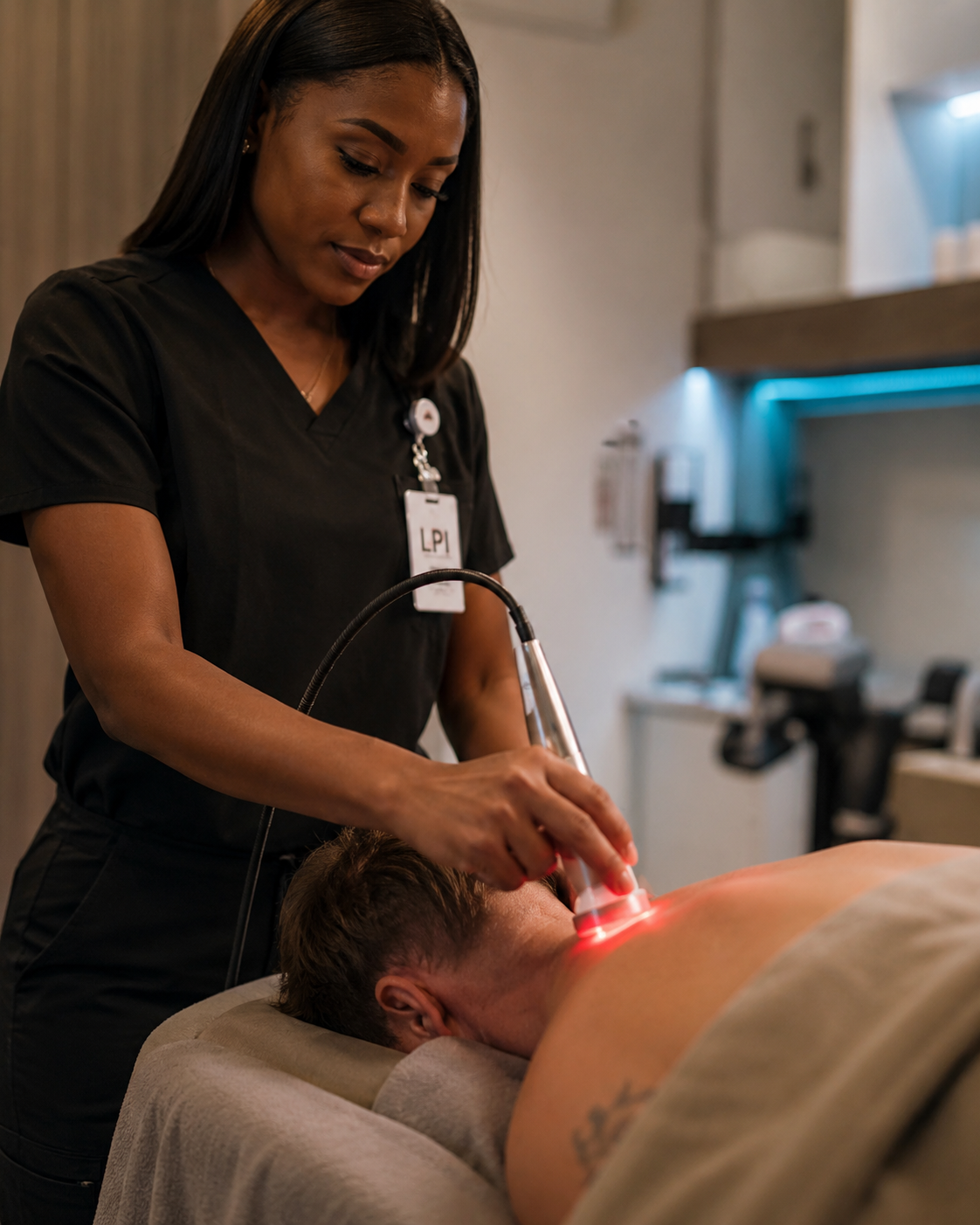
A session is typically straightforward and does not require injections, incisions, or downtime. Depending on the system and treatment area, you may sit or stand near a panel, lie beneath a light bed, or use a targeted applicator. Protective eyewear may be recommended, especially when the light is directed toward the face or eyes.

A provider may first review your goals, health history, medications, skin sensitivity, and any relevant medical conditions. The treatment area is usually clean and free of products that could interfere with light exposure. The device is positioned at a measured distance, and the session follows a defined time and intensity.

You may notice warmth, brightness, or mild tingling, although many people feel little during treatment. Red light therapy should not be painful. Tell the provider if you experience discomfort, unusual heat, dizziness, or eye irritation.

Afterward, most people can return to normal activities. Redness or warmth may occur temporarily, but individual experiences vary. A consultation can clarify what to expect from the specific device and protocol being considered.

Adult receiving a targeted red light therapy session in a calm wellness setting

What may red light therapy support?

Research and clinical use have examined photobiomodulation in several areas, including skin appearance, exercise recovery, discomfort management, and tissue-related processes. The strength of evidence is not identical across these uses, and results may depend heavily on the treatment protocol.

Some people explore red light therapy because it may support:

  • A healthy inflammatory response
  • Recovery after physical activity
  • Skin texture and appearance
  • Local circulation and tissue comfort
  • General wellness and maintenance as part of a broader plan

These possible benefits should be framed carefully. Red light therapy is not a cure-all, and it does not replace diagnosis, physical therapy, medication, surgery, sleep, nutrition, or other appropriate medical care. A provider should explain whether the available evidence fits your specific goal.

Is red light therapy safe?

Red light therapy is generally considered noninvasive, but “noninvasive” does not mean appropriate for everyone. Safety depends on the device, exposure, treatment area, and the person receiving care.

Discuss treatment with a qualified professional before beginning if you:

  • Take medications that increase sensitivity to light
  • Have a condition affected by light exposure
  • Are pregnant or are being treated for a complex medical condition
  • Have an eye condition or difficulty using protective eyewear
  • Have unexplained skin changes, wounds, or persistent symptoms

Avoid staring directly into powerful light sources unless the device and provider specifically indicate that it is safe. Follow the recommended schedule rather than adding extra sessions independently. If you have a health concern, seek medical evaluation instead of using light therapy to self-treat it.

How often should you use red light therapy?

There is no single schedule that applies to every person or device. Frequency may depend on the treatment goal, wavelength, irradiance, treatment area, and how your body responds. More frequent sessions may not produce better results and could increase irritation or other unwanted effects with some systems.

A responsible plan should define:

  • The intended goal and treatment area
  • The device’s wavelength and output
  • Session duration and distance
  • Recommended frequency
  • How progress or tolerance will be assessed

Consistency and realistic expectations matter. Photobiomodulation is commonly considered a process that may require repeated sessions, not a one-time solution. A provider can adjust the protocol if your response suggests that a change is appropriate.

How should you choose a red light therapy provider?

Start by asking how the provider evaluates your goals and whether the treatment is part of a broader wellness or recovery plan. Clear communication is more useful than dramatic claims.

Consider asking:

  1. Which wavelengths does the device use?
  2. How are irradiance, distance, and session time determined?
  3. What outcomes are realistic for my goal?
  4. What safety precautions apply to my health history and medications?
  5. How will we decide whether the protocol is helping?

Look for transparent explanations, appropriate screening, clean equipment, and a willingness to discuss limitations. Be cautious of promises that red light therapy can treat every condition or replace established care.

You can explore a center’s broader services to see how light-based care may fit alongside recovery, performance, or wellness support. If you are in Nashville, Hermitage, Franklin, Brentwood, or nearby Middle Tennessee communities, the service area page provides additional context.

Red light therapy compared with other light treatments

Red light therapy uses non-UV red and near-infrared light. Tanning devices use ultraviolet radiation, which carries different risks and is not interchangeable with photobiomodulation. Some dermatology and medical treatments use more powerful lasers or specialized light sources for specific indications; those procedures require separate assessment and protocols.

The key distinction is not just color. Treatment outcomes and safety are influenced by wavelength, power, timing, delivery method, and the reason for treatment. Comparing devices only by panel size or brightness can be misleading.

The practical takeaway

Red light therapy, or photobiomodulation, uses selected red and near-infrared wavelengths to provide light energy to cells. It may support recovery, skin health, comfort, and general wellness, but the outcome depends on the right wavelength, dose, distance, timing, and personal context. It should be approached as a targeted supportive therapy—not a guaranteed cure or substitute for medical care. If you are considering treatment, identify your goal, review the device and protocol, and discuss your health history with a qualified provider. A consultation is the best next step for deciding whether red light therapy fits your needs.

Recent Posts

EBOO therapy equipment in a modern wellness clinic
September 17, 2026
EBOO involves temporarily circulating blood through specialized extracorporeal equipment before returning it to the body. This article explains the general process, why clinical screening matters, and where the research currently stands.
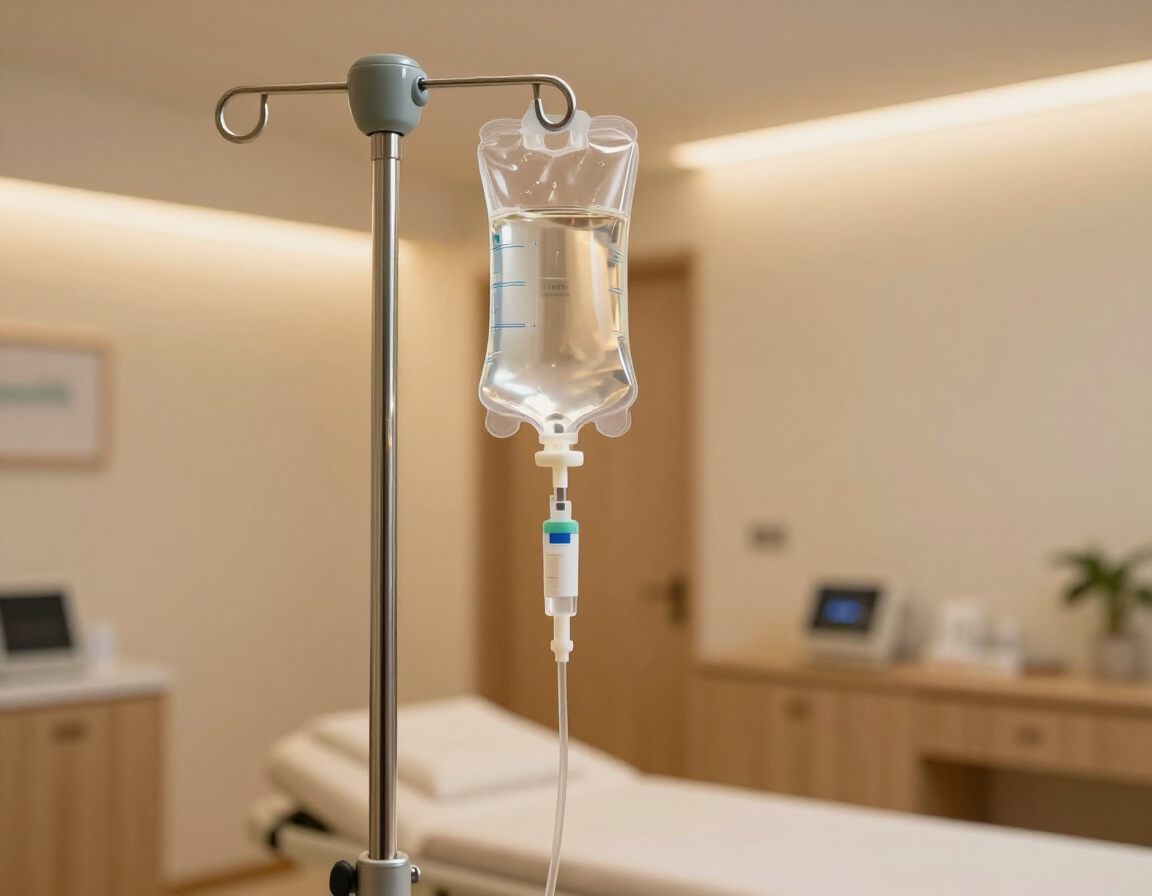
IV therapy infusion in a modern Nashville wellness clinic
September 17, 2026
IV therapy delivers fluids and selected ingredients directly into the bloodstream through intravenous infusion. Learn how treatments are administered, why formulations vary, and what questions to ask before choosing an IV protocol.

Active adults walking outdoors to support movement and longevity
September 17, 2026
Learn why maintaining strength, mobility, balance, and physical capacity can play an important role in staying independent and active over time.

Regenerative medicine consultation in Nashville
September 17, 2026
Regenerative medicine is not a single treatment. This guide explains what the term means, how different regenerative approaches work, why the specific product or procedure matters, and what patients should ask before treatment.

Infrared sauna interior for recovery and wellness
September 17, 2026
Explore how passive heat exposure affects the body, what researchers are studying, and how sauna may fit into a broader wellness and recovery routine.
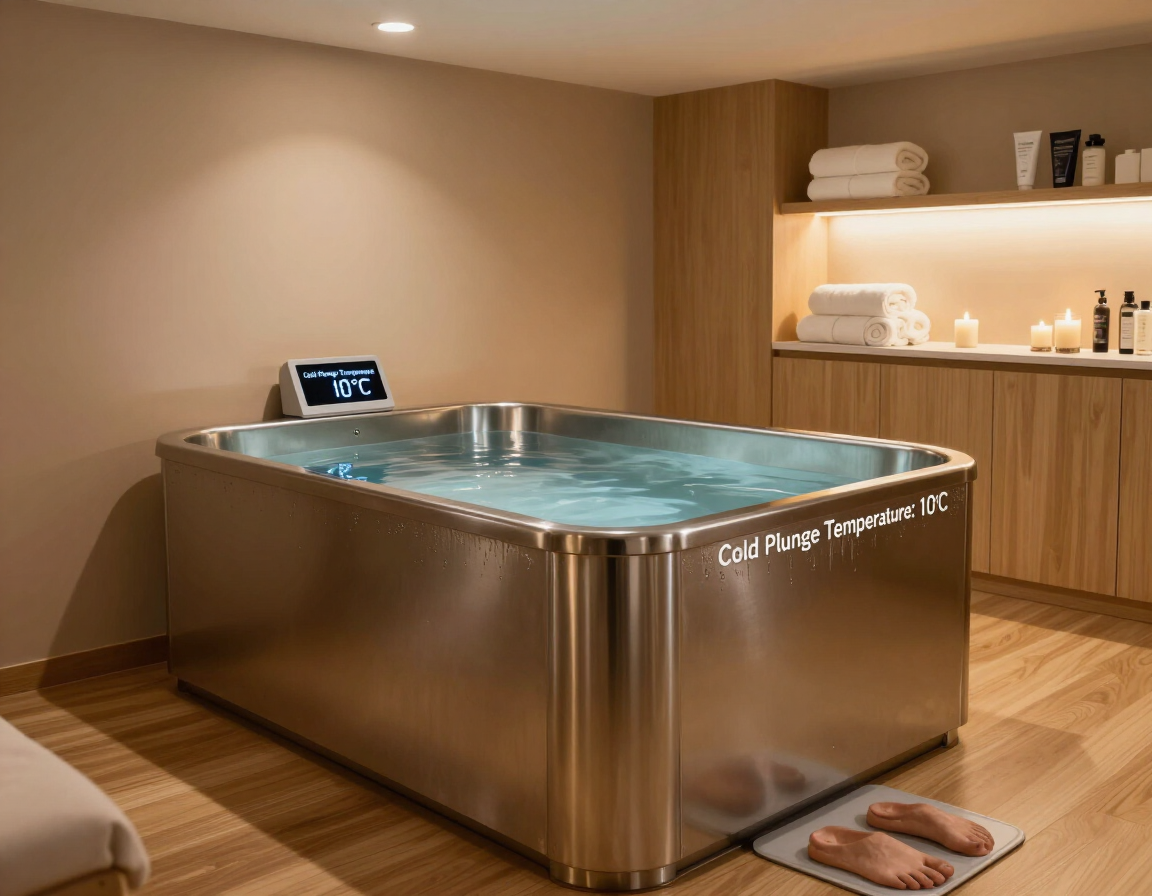
Cold plunge vs contrast therapy recovery options
September 17, 2026
Cold plunge and contrast therapy both use temperature as a physiological stimulus—but the experience and protocols are different. Learn how each works, how they may fit into a recovery routine, and what first-time users should know.
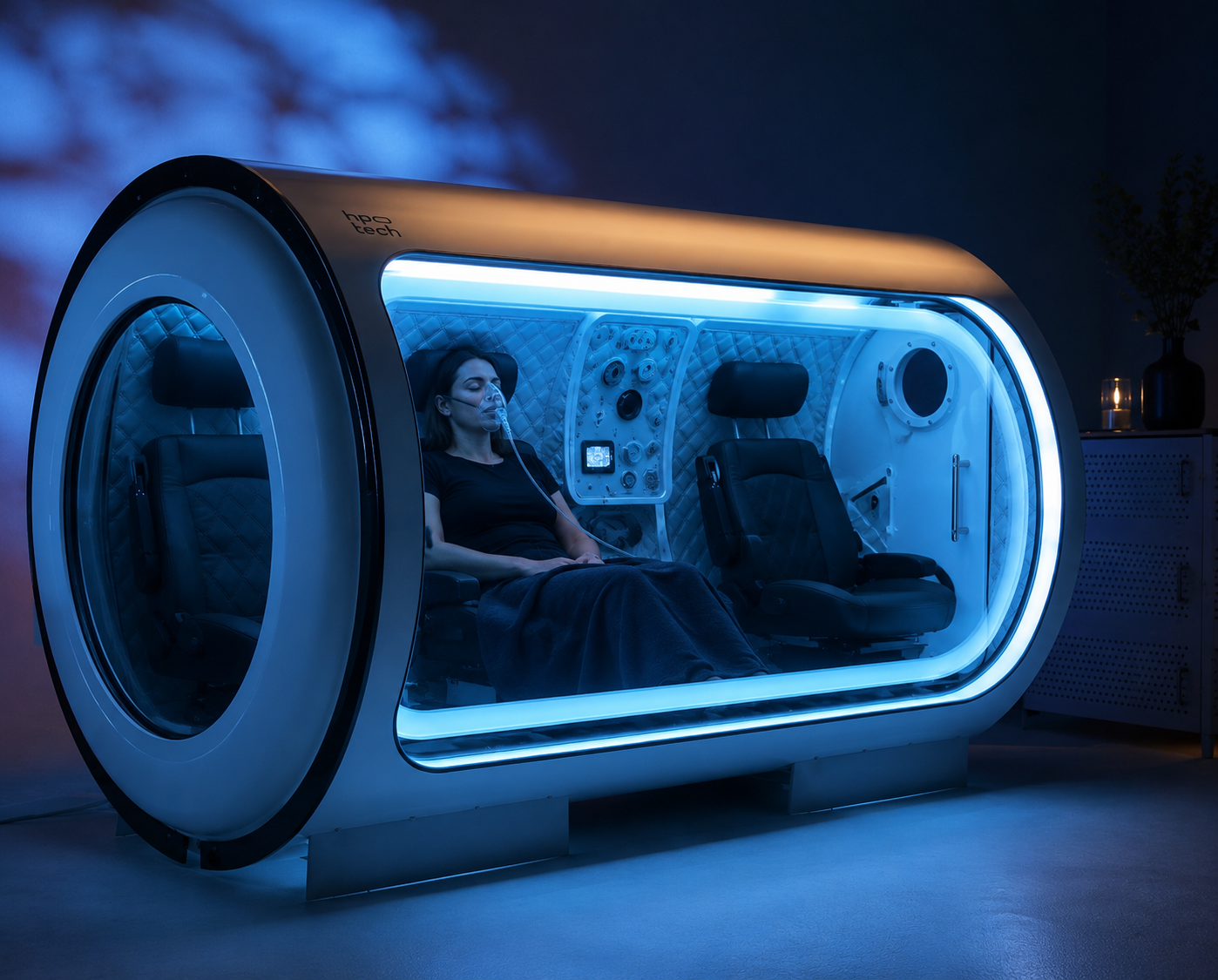
Hyperbaric oxygen therapy chamber during a treatment session
September 17, 2026
HBOT combines increased atmospheric pressure with controlled oxygen exposure. We break down what happens during pressurization, what a session feels like, how oxygen behaves differently under pressure, and what the research currently shows.
Recovery and performance support for active adults
September 17, 2026
Training creates demand. Recovery determines how prepared you are to handle the next one. Explore the role of sleep, physical restoration, movement, nutrition, and recovery strategies in supporting consistent performance.

Longevity means maintaining strength, movement, and resilience as you age
September 16, 2026
Learn what longevity really means and how movement, recovery, sleep, and proactive health strategies may support strength and function as you age in Nashville.